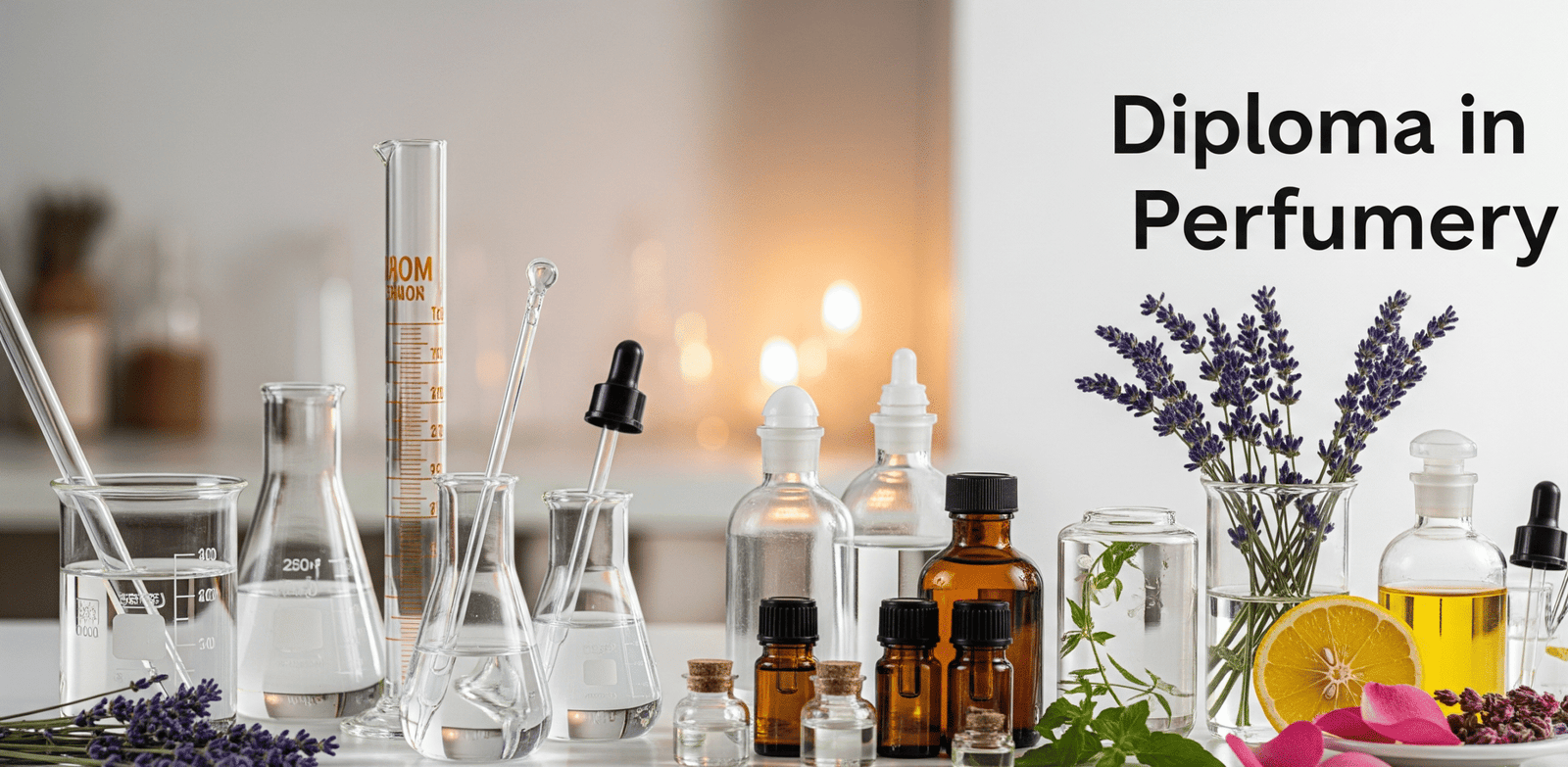
Introduction to Perfumery Course – Learn the Art & Science of Fragrance
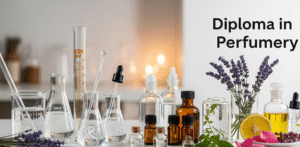
Discover the world of professional perfumery. This course takes you step-by-step from fragrance foundations to advanced perfume creation. Learn how to blend essential oils, aroma chemicals, accords, and bases to craft fine fragrances for global markets.
👉 Enroll Now – Begin Your Perfumery Journey
Why Take This Course?
✔️ Learn the science of scent – how our sense of smell works and why perfumes evoke emotions
✔️ Gain hands-on formulation skills in creating perfumes, colognes, body mists, and solid fragrances
✔️ Understand fragrance families, notes & accords used by top perfumers worldwide
✔️ Master natural extracts & aroma chemicals for unique, modern blends
✔️ Explore compliance, IFRA standards & safety testing in fragrance formulation
✔️ Build your own signature fragrance collection by the end of the course
✔️ 100% online & self-paced with optional hybrid/physical workshops in Johannesburg, Lagos, Port Harcourt & Owerri
Course Modules
Module 1: Introduction to Perfumery & Fragrance History
-
The history of perfumes from ancient Egypt to modern luxury brands
-
The role of fragrance in culture, wellness & beauty
-
How the fragrance industry works today (niche vs mass-market)
Module 2: The Science of Smell & Olfactory System
-
How the nose & brain perceive scent
-
Top, middle & base notes – fragrance pyramid explained
-
Scent longevity & diffusion principles
Practical: Build a fragrance pyramid with essential oils
Module 3: Raw Materials in Perfumery
-
Natural materials: essential oils, absolutes, resins, concretes, CO₂ extracts
-
Synthetic materials: aroma chemicals, aldehydes, musks, esters
-
Evaluating quality, authenticity & sustainability of raw materials
-
IFRA restrictions & safety considerations
Practical: Compare natural vs synthetic notes in blending
Module 4: Fragrance Families & Accords
-
Major fragrance families (floral, oriental, woody, citrus, fougère, gourmand)
-
Understanding & creating accords (rose, amber, leather, chypre, aquatic)
-
Global trends & cultural preferences in fragrance design
Practical: Formulate a floral accord + a woody accord
Module 5: The Art of Blending & Formula Writing
-
Balancing top, middle, and base notes
-
Ratio design: how to structure a perfume formula
-
Using spreadsheets & formula sheets (INCI-style)
-
Dilution techniques: alcohol, carrier oils, solid bases
Practical: Write and blend your first structured perfume formula
Module 6: Alcohol-Based Perfumes
-
Eau de Cologne, Eau de Toilette, Eau de Parfum, Extrait de Parfum – differences & concentrations
-
Solubilizers, fixatives & stability considerations
-
Maceration, aging & filtration in perfume making
Practical: Create your own Eau de Parfum
Module 7: Non-Alcoholic & Alternative Systems
-
Oil-based perfumes & rollerballs
-
Solid perfumes (balms, wax-based)
-
Body sprays & mists
-
Modern alcohol-free fragrance technologies
Practical: Formulate a solid perfume balm + body mist
Module 8: Advanced Perfume Creation
-
Signature accords & unique fragrance profiles
-
Layering & building complexity in perfumes
-
Duplication vs innovation – recreating popular scents vs originality
-
Creating perfumes for niche, luxury & mass-market
Practical: Design a signature perfume inspired by your chosen theme
Module 9: Compliance, Safety & IFRA Standards
-
IFRA guidelines & EU cosmetic regulations
-
Allergen declarations (limonene, linalool, etc.)
-
Labeling & safety requirements
-
Stability & shelf-life testing in perfumery
Practical: Prepare compliance notes for your perfume formula
Module 10: Business & Brand Launch
-
Building your perfume brand identity
-
Packaging & bottle selection for different markets
-
Pricing strategies for niche vs commercial fragrances
-
Selling via retail, online & distributors
-
Case studies: successful indie perfume brands
Capstone Project: Create your own mini fragrance line (3 scents – e.g. floral, woody, fresh) and prepare it for market
Assessment & Learning Reinforcement
✅ Quizzes after each module
✅ Lab projects & perfume creation assignments
✅ Capstone: Your Own Mini Fragrance Line
Who This Course Is For
-
Beginners with no science background (step-by-step included)
-
Beauty professionals expanding into perfumery
-
Entrepreneurs launching a fragrance or wellness brand
-
Skincare & haircare formulators looking to add fragrances to their range
-
Students seeking professional perfumery certification
Delivery & Duration
-
Mode: 100% Online, Self-Paced (study anytime, anywhere)
-
Hybrid/Physical Sessions: Available in Johannesburg, Lagos, Port Harcourt & Owerri (contact us for next intake)
-
Duration: Flexible – average 8–10 weeks online, or 4 weeks hybrid intensive
-
Support: Tutor guidance, peer community & optional mentorship
-
Certification: Certificate of Completion in Professional Perfumery
Course Fee & Enrollment
Course Fee: $1500
Format: Online with hands-on practicals & capstone project
Duration: Flexible self-paced
👉 Enroll Today – Secure Your Spot Now
Seats for hybrid/physical workshops are limited!
FAQ Section
Q1: Do I need prior experience in cosmetics or chemistry?
No. This course is designed for beginners and professionals alike.
Q2: What equipment do I need to start?
Basic items like beakers, glass droppers, alcohol, carrier oils, and digital scales. A starter kit list is provided upon enrollment.
Q3: Will I learn to create both natural and synthetic perfumes?
Yes. We cover essential oils, resins, and aroma chemicals – teaching safe blending of both.
Q4: Will I get a certificate?
Yes. All graduates receive a Certificate in Perfumery Formulation.
Q5: Can I launch my own fragrance brand after this course?
Absolutely. The course includes business, branding, packaging, and compliance to take you from lab to market.